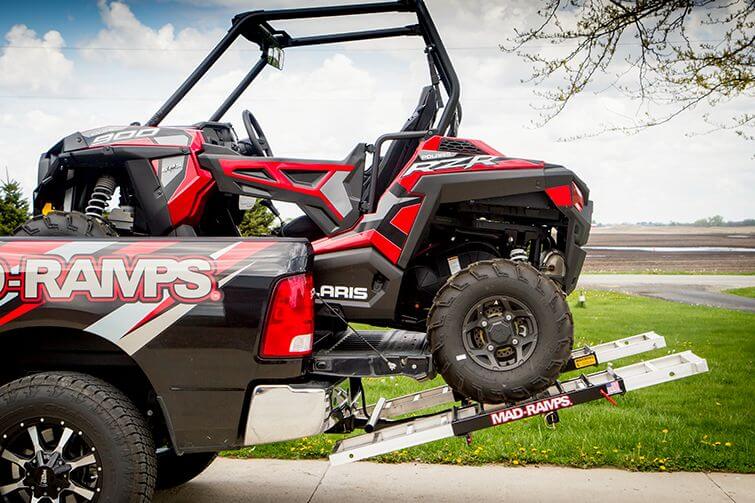
If you’ve seen MAD-RAMPS and had questions, this is for you. Here are straight answers to the concerns that come up most.
Insufficient Ground Clearance
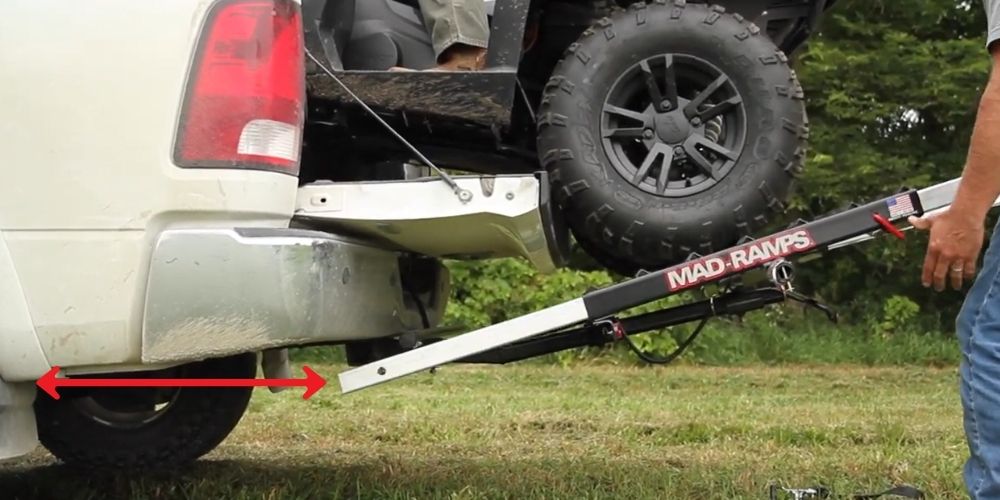
MAD-RAMPS have two positions: highway mode and off-road mode. In highway mode, the ramps sit several inches above the truck’s rear axle and undercarriage. Off-road mode raises them further. Speed bumps, water bars, and rough trail approaches are not the issue most people expect. Bob D. from Nebraska noted in his review: “I have not had any problems with ground clearance either, whether the 4 wheeler is loaded or the ramps are stowed.”
Off-road:
Highway:
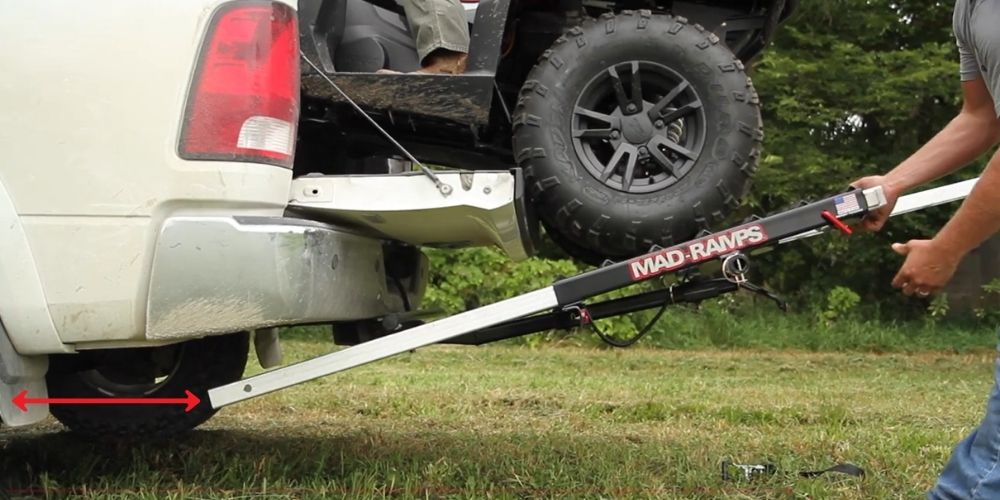
Both modes are shown in action on the MAD-RAMPS YouTube channel.
Weight Capacity & Tailgate Load
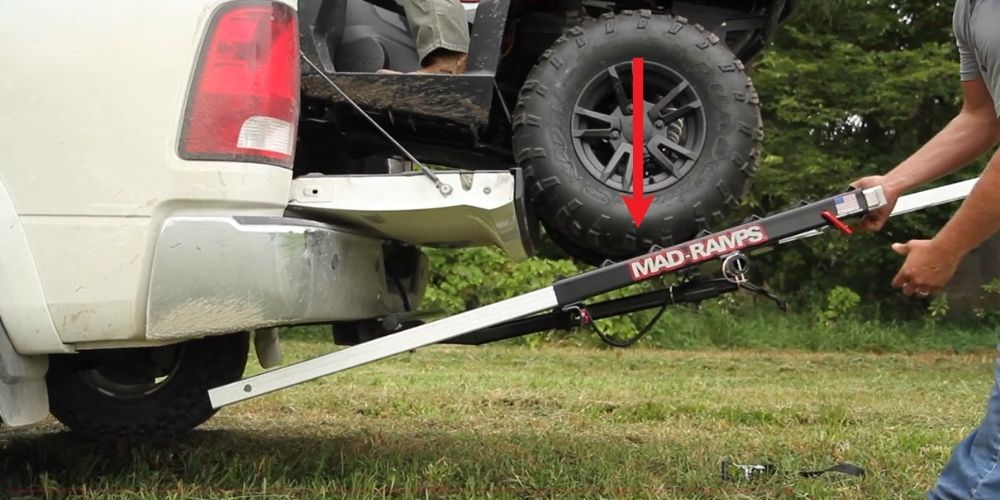
When you load an ATV or UTV, the machine sits in the truck bed. The tailgate is down during loading, but the vehicle’s weight is carried by the bed and the MAD-RAMP, not the tailgate cables. The cables are not under load from the ATV.
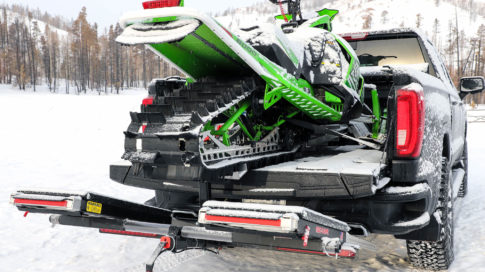
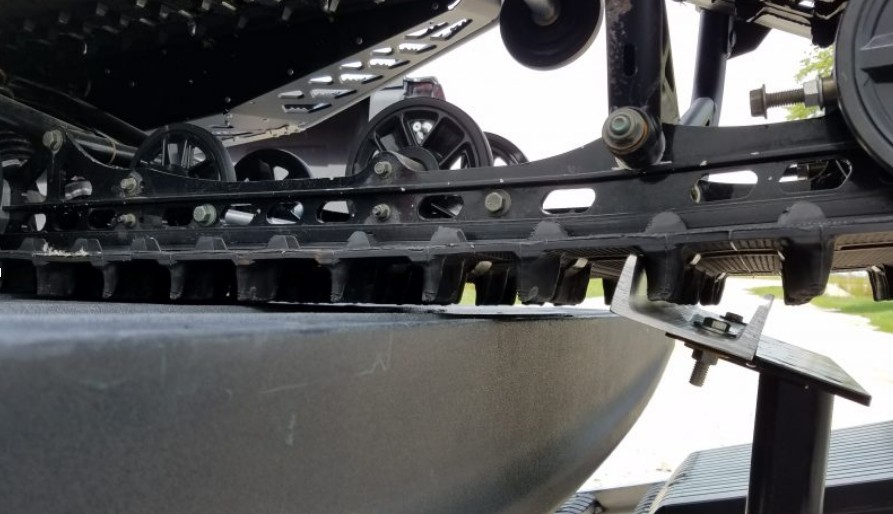
Snowmobiles are a different setup. The MAD-RAMPS Snowmobile kit has a pedestal that supports the snowmobile, keeping the weight off the tailgate.
For heavier machines, check your truck’s tongue weight rating before using the system. Add the weight of the MAD-RAMPS (151 lbs) to two-thirds of your machine’s weight. That number needs to fall under your hitch’s tongue weight limit.
Weight Distribution
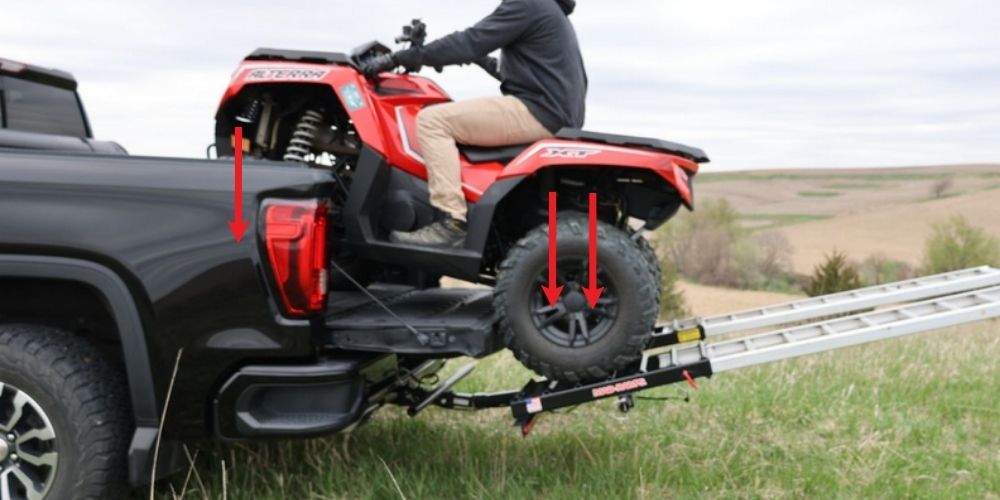
Approximately two thirds of the ATV/UTV weight sits behind the rear axle when your machine is loaded. If your machine is heavier at the front, loading it in reverse shifts more weight over the rear axle and reduces the load on the hitch.
Vehicle Compatibility
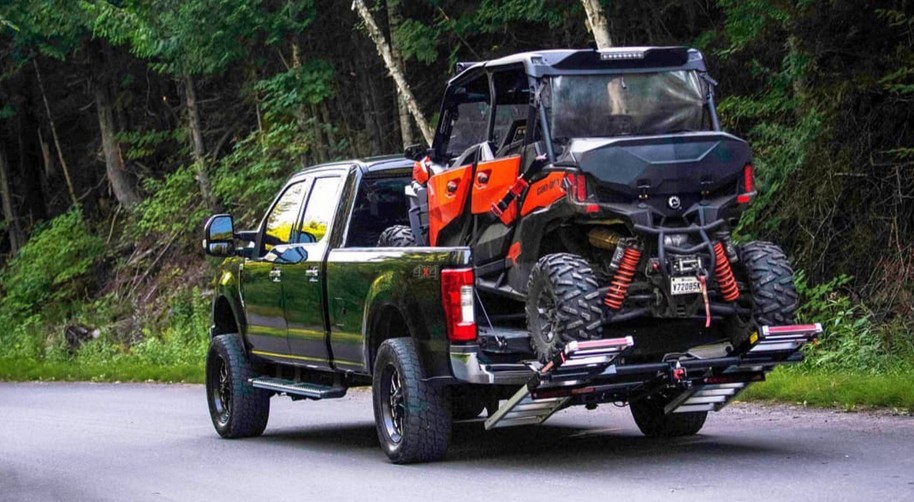
If your UTV is 60 inches wide or less, it will fit into the bed of most full-size pickups. Some machines run wider, and some truck beds have tonneau cover rails or toolboxes that reduce the opening further. The MAD-RAMPS website has a compatibility calculator where you can enter your specific measurements before buying.
“Just Buy a Trailer”
Trailers require licensing, registration, and insurance in most states. They need ongoing maintenance and a place to store when not in use. They also can only go where the road is smooth enough to tow one.
MAD-RAMPS hooks to your hitch, needs no registration, and comes off when you are not using it. A wall-mount called the MAD-MOUNT holds it in storage. Because it travels with your truck, terrain is not a limiting factor the way it is with a trailer.
MAD-RAMPS has a trailer vs. ramp comparison post on their blog with a full breakdown.
“Just Buy a Long Bed Truck”
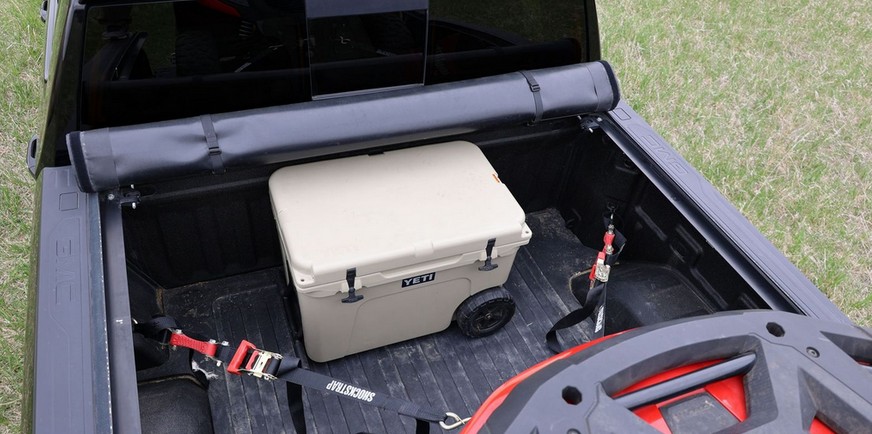
Loading a heavy machine onto any truck still requires ramps. Conventional ramps slide during loading, which is a real safety hazard. MAD-RAMPS locks into the receiver hitch, so nothing moves while you drive up. That applies to long beds too. MAD-RAMPS are fully compatible with long bed trucks.
Tail Light Visibility
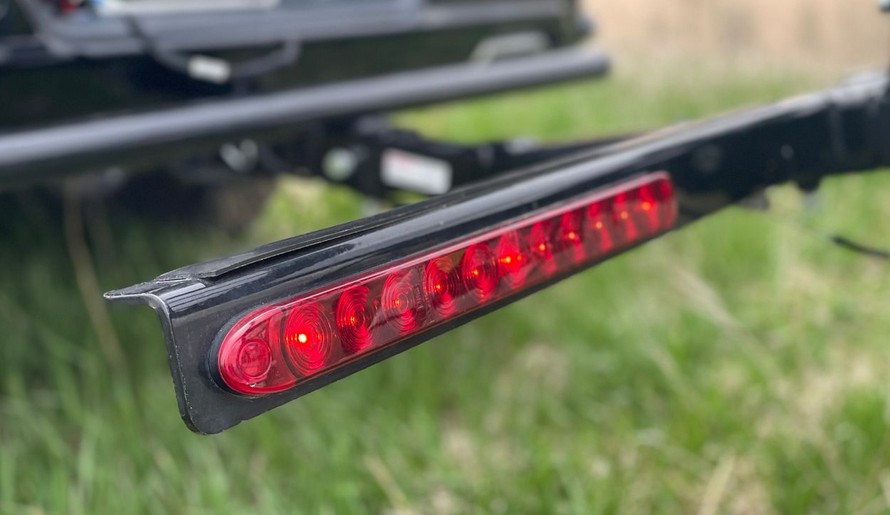
MAD-RAMPS includes LED tail lights, brake lights, turn signals, and a rear marker light. It plugs into your truck’s standard trailer wiring connector. The ramp lights cover what the loaded machine blocks, so you stay visible and DOT compliant.
General Safety
The ramp surface gives you over 16 square feet of loading area. The system locks into the hitch, so the ramps do not shift while you are on them. Take your time on the first load. The ramps are stable, and the process gets straightforward quickly.
The Bottom Line
Most of these concerns come down to not having seen the system run. Use the compatibility calculator on the MAD-RAMPS website to check your specific truck and machine. If you still have questions, call 1-800-228-9289 during business hours.